Clear Aligner Treatment (Invisalign): Who Is It Suitable For?
Understand suitability assessment, attachments, elastics, additional aligners and retention, and why simulations and brand names…
Read the articleDigitally planned Invisalign and clear aligner treatment in İzmir: suitability, wear time, attachments, regular reviews and retention.
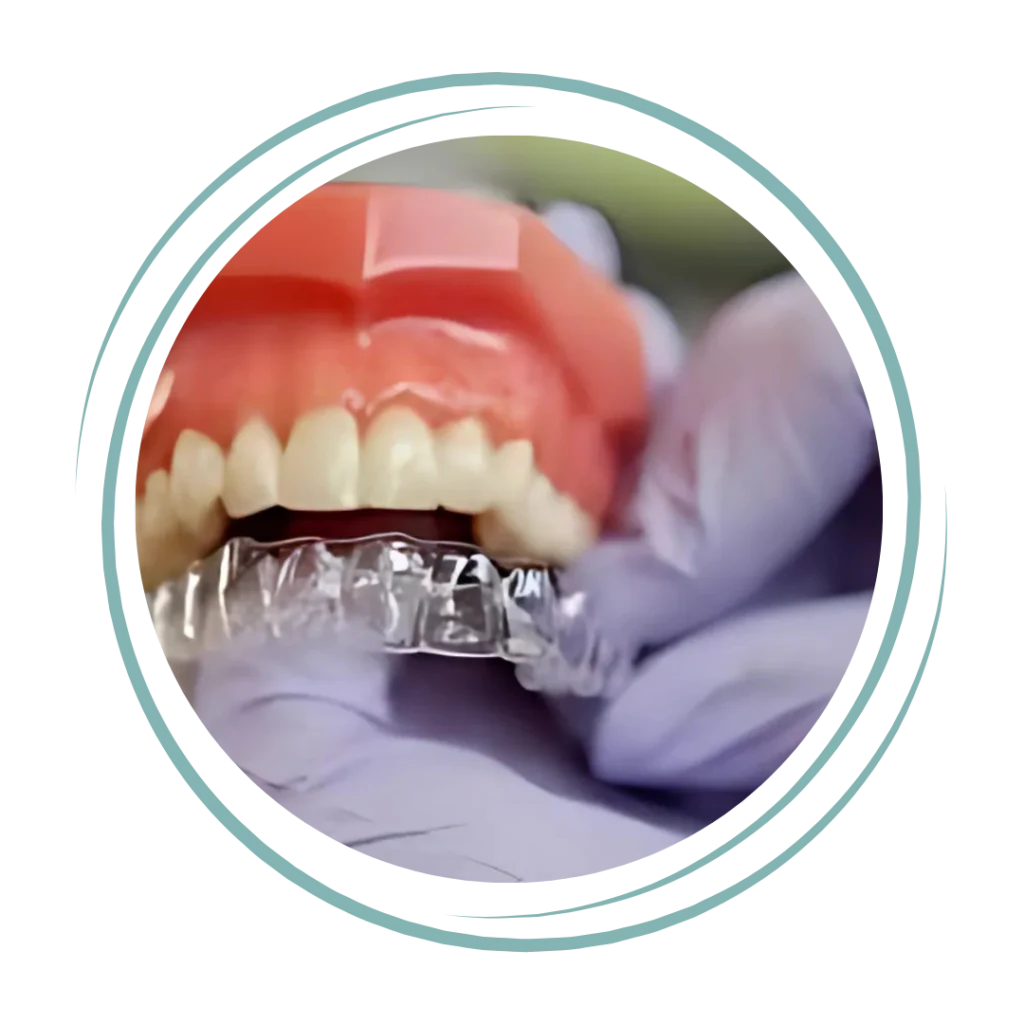
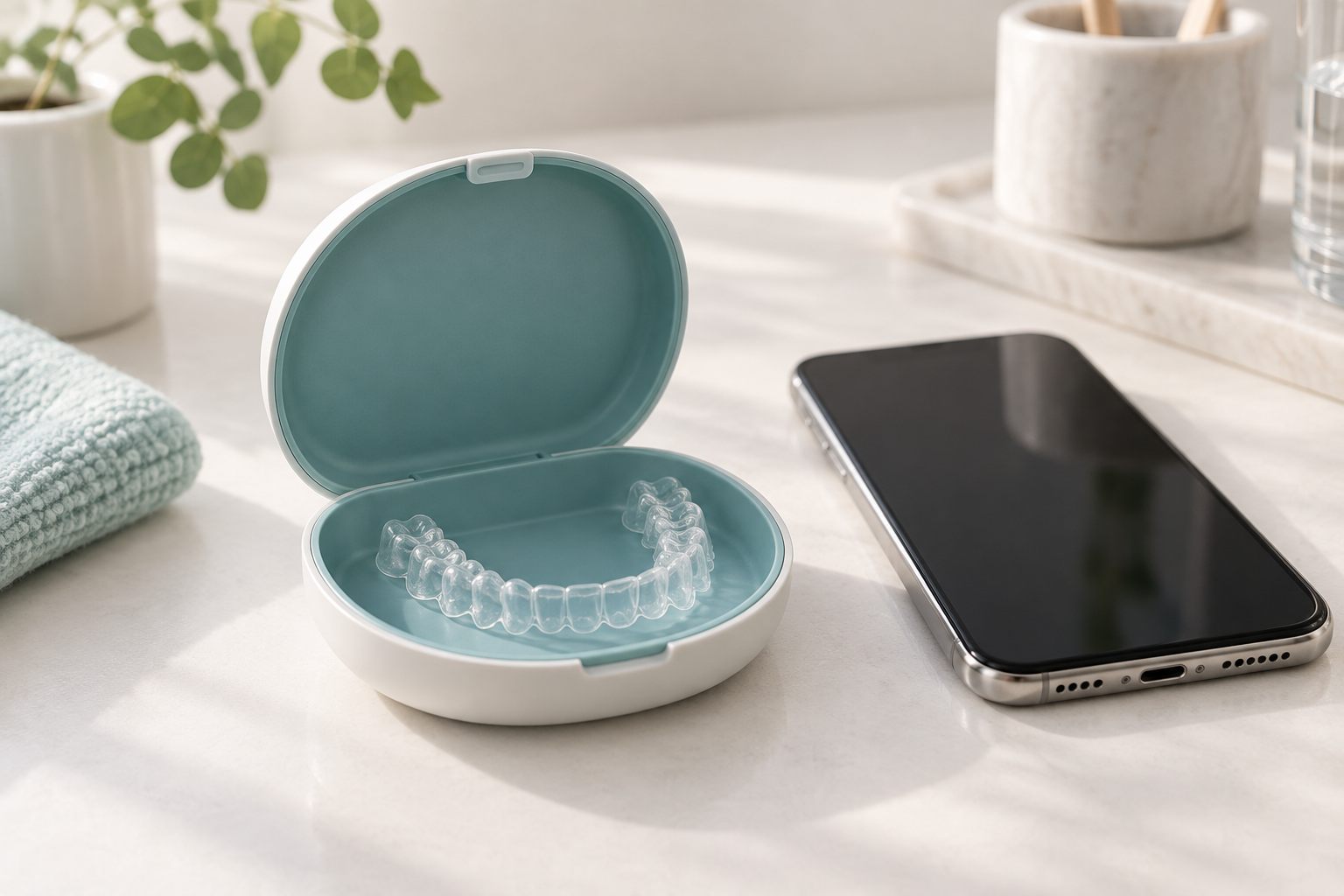
Clear aligner treatment gradually moves teeth using a series of individually made removable trays. Invisalign is one system used for this method; clear aligners is the general treatment category. Suitability depends on assessment of the bite and oral health, rather than appearance or brand choice alone.
Removing aligners for meals and cleaning can be convenient in daily life. However, treatment requires consistent wear for most of the day and orthodontic reviews. Removability does not mean wearing them only when it suits you.
At her clinic in Folkart Towers, Bayraklı, İzmir, Assoc. Prof. Dr. Halise Aydemir assesses clear aligner options alongside alignment, jaw relationships, gum health and your daily wear routine.
Mild or moderate crowding, gaps and relapse after previous orthodontic treatment are situations that may be assessed for clear aligners. Adults’ appearance preferences and teenagers’ ability to follow wear instructions are among the daily factors considered. This is not a checklist that replaces examination.
A deep bite, open bite, crossbite or need for extractions does not determine the method by its name alone. The amount and direction of movement, supporting tissues and jaw relationships are considered together. Substantial rotations, impacted teeth or marked skeletal discrepancies may need additional mechanics, fixed treatment or another approach; aligners alone may be insufficient.
The British Orthodontic Society also notes that complex movements may require additional techniques. For a detailed comparison, see braces or clear aligners? For the distinction between dental and jaw-related problems, see jaw treatments.
The digital plan shows which teeth are intended to move and in what order. Examination, photographs, digital impressions or scans, bite analysis and necessary radiographs are considered together. The on-screen simulation is a treatment target; it does not guarantee the teeth’s biological response or an identical final result.
The aligner series is made according to this plan. Small pieces of tooth-coloured filling material called attachments may be added to teeth to support particular movements. Elastics may also be needed. Clear aligner treatment is therefore not always just an invisible plastic tray; attachments and elastics can be more noticeable.
At delivery, you learn to insert and remove the trays, follow the correct sequence and meet daily wear instructions. Changes and review intervals follow your individual plan. Discussing appearance expectations, attachments and additional procedures before starting helps you assess how the method fits daily life. The BOS aligner patient leaflet explains attachments and their visibility.
Aligners are worn for the daily duration prescribed by your clinician, not just overnight. Wear usually covers most of the day; your exact hours and change schedule are explained for your plan. Leaving them out for long periods beyond meals, drinks and care breaks can cause teeth to fall behind the planned movements.
Remove aligners for meals, drinks other than plain water and tooth cleaning. Removability can make brushing and flossing easier, but both teeth and trays still need regular cleaning. Follow the instructions for your system and those provided by your clinician.
When considering your routine, think about cleaning after meals and putting the trays back in, as well as visibility. Practise insertion and removal at the delivery appointment. Do not independently change wear duration or the date for moving to the next tray; you can contact the clinic about difficulties before your next review.
Temporary pressure or tenderness may occur with a new tray. Speech can change slightly at first; adjustment varies between people. Clear aligners should not be viewed as completely painless or equally comfortable for everyone.
Being removable and clear does not eliminate orthodontic risks. Gum irritation, failure to achieve the intended movement and relapse without retention are considered. Root changes associated with tooth movement and decay risk when cleaning is inadequate should also be discussed in your assessment.
Consult the clinic if discomfort prevents wear or you think there is a fit problem. Do not attempt to resolve pain by applying more force or cutting and altering the tray. Clarify with your clinician what tenderness is expected and what needs assessment.
Tell the clinic if a tray does not seat fully, an attachment breaks off or wear has been interrupted. Get instructions for your circumstances rather than deciding to move to the next tray yourself. Reviews assess fit, attachments, the bite and whether planned movements are occurring, as well as appearance.
Duration depends on the extent of movement, the teeth’s response and consistent wear. If the goals have not been reached after the initial series, reassessment, new records or additional trays may be needed. Tray numbers or a simulation timeline alone therefore do not give a definite completion date. Clear aligners cannot be said to be faster than braces in every case.
Retention is needed after active treatment to help maintain tooth positions. Options such as a clear retainer or fixed retaining wire and follow-up are selected individually. Active aligners and the retainer used afterwards do different jobs. Neglecting retention can allow teeth to move back and the bite to change.
Cost varies with case scope, the system used, tray numbers, treatment duration and additional procedures. Rather than comparing the starting price alone, ask how reviews, additional trays if needed and retention options are reflected in the quote. These items should not be assumed to be included in the same way in every package.
You can ask: “Are aligners suitable for my bite goals?”, “Will I need attachments or elastics?”, “How are interruptions in wear managed?” and “What happens with retention afterwards?” Fixed orthodontics or other aligner systems can also be compared for individual suitability.
For an assessment with Assoc. Prof. Dr. Halise Aydemir in Bayraklı, İzmir, contact the clinic and explore appointment options. The exact scope and fee are explained alongside your treatment plan.
Understand suitability assessment, attachments, elastics, additional aligners and retention, and why simulations and brand names…
Read the articleUnderstand treatment scope, aligner systems, reviews, additional trays and retention, and what to ask when comparing personal…
Read the articleLearn which treatment-stage details to report, why fit and damage need individual assessment, and when urgent help is needed for an…
Read the articleView Assoc. Prof. Dr. Halise Aydemir’s current appointment calendar and choose a suitable day and time.
Prefer to call? +90 530 155 09 52
The calendar is provided in Turkish by DoktorTakvimi. Your booking is completed through DoktorTakvimi. Open the calendar in a separate page
We welcome you to Block A of Folkart Towers for an orthodontic assessment and individual treatment planning.
Adalet Mah. Manas Bulvarı No:47/B, Office 2704