
Can Adults Have Orthodontic Treatment?
Learn how adult orthodontic suitability is assessed, including gum health, braces and aligners, missing teeth, preparation and…
Read the articleLingual braces sit behind the teeth. Learn about suitability, personalised Incognito systems, adjustment, hygiene and follow-up in İzmir.
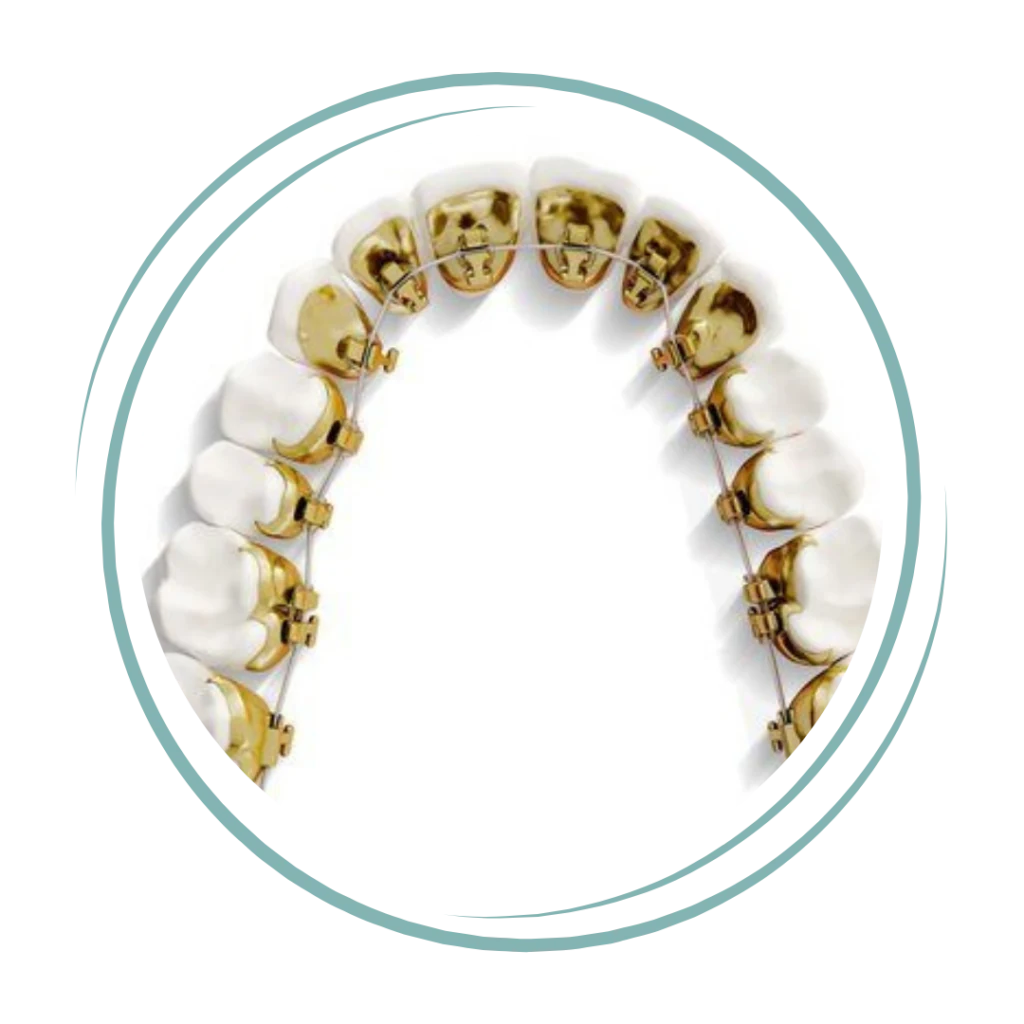
Lingual orthodontics is fixed treatment with brackets and wires on the tongue-facing surfaces behind the teeth. Often called hidden or inside braces, it may suit people who do not want visible front brackets. Suitability depends on tooth anatomy, bite and oral health as well as appearance preferences.
At Assoc. Prof. Dr. Halise Aydemir’s clinic in Folkart Towers, Bayraklı, İzmir, assessment considers the required movements, whether a lingual system suits those goals and alternative options together. When discussing customised systems such as Incognito, understand the system proposed and the limits of your individual plan.
Lingual orthodontics names the method; Incognito is one customised system used within it. Not every lingual treatment uses identical brackets and wires. The British Orthodontic Society distinguishes customised and non-customised options. A system name alone therefore does not explain a complete plan.
Brackets behind the teeth are less noticeable from the front. This does not mean no components are present or that your tongue will not feel them. Tongue contact and speech expectations need separate discussion.
The thin retaining wire bonded behind teeth after treatment is different. A fixed retainer helps maintain results, while lingual brackets control active movement. Clarify which purpose is meant when someone refers to an inside wire.
Lingual orthodontics may be considered for adults and some younger patients who prefer discreet brackets and whose required movements can be planned with this method. Assessment considers crowding, gaps and bite relationships. Similar concerns can involve different anatomy and goals, so photographs alone cannot establish suitability.
Examination particularly addresses these questions:
Short clinical crowns, a deep bite or gum problems may affect planning; these are not a remote checklist of definite eligibility or exclusion. Oral health may need attention first. The guide to gum assessment before orthodontics explains this preparation.
No option is better for everyone. Compare suitable choices for the same goals through visibility, wearing responsibilities, cleaning and reviews. Fixed lingual braces do not remove the need for care and attendance.
| Option | Main everyday difference | Question before deciding |
|---|---|---|
| Lingual brackets | Fixed behind the teeth, without front brackets. | How will tongue contact, speech and cleaning be managed in my plan? |
| Clear aligners | Removable; the clinician’s wearing instructions must be followed. | Can I maintain the schedule, and how will required movements be monitored? |
| Aesthetic front brackets | Fixed brackets on the front surfaces. | Do my visibility expectations match the proposed mechanics? |
For everyday differences, see the braces and aligners comparison; see aesthetic brackets for front-surface options. Compare equivalent bite goals, not appliance names alone.
It starts with suitability assessment; fitting brackets is not the entire treatment. Initial records, movement planning, regular reviews and retention belong together.
Ask why each record is requested. The first orthodontic appointment guide explains different purposes; it does not imply an identical investigation package for everyone.
Yes. Tongue tenderness and changes in speech may occur initially. Their extent and adjustment time vary, so complete adaptation by a particular day cannot be promised. Discuss professional speaking, presentations or voice-related expectations before treatment.
Hidden brackets still need cleaning; seeing and reaching them may require more attention. Ask your clinician to demonstrate brushing and interdental cleaning on your own teeth. Suitable brushes and aids should reflect personal needs.
Contact the clinic if a bracket seems detached, a wire irritates you or a new bite contact develops. Do not bend or adjust the appliance yourself. The bracket and wire problems guide explains general contact steps; obtain instructions for your lingual system from your treating clinician.
Duration and personal fees cannot be established simply by choosing lingual braces. Required movements, bite goals, system preparation and follow-up scope matter together. When comparing aligners or front brackets, ensure the goals match.
Ask which stages the estimate covers, how changes will be explained and which services the fee includes. For customised systems, clarify laboratory stages, reviews, possible additional procedures and retention. Another patient’s timeline or an online price does not describe your own plan.
Finishing active treatment does not end maintenance needs. Retention is also planned after lingual treatment. British Orthodontic Society retainer information explains the tendency for teeth to move again and the importance of individual instructions.
A fixed wire, removable retainer or combination depends on the plan. Understand each device’s purpose, cleaning and review needs. Wearing schedules are individual, and retainers do not replace reviews or general dental care.
Alongside preferring discreet brackets, describe the tooth or bite problem you want corrected. Share earlier orthodontic records, any retainer and expectations about speaking or cleaning.
For assessment at Assoc. Prof. Dr. Halise Aydemir’s clinic in Folkart Towers, Bayraklı, see appointment and contact information or call +90 530 155 09 52. Before choosing a system name, clarify meaningful and feasible individual goals.
View Assoc. Prof. Dr. Halise Aydemir’s current appointment calendar and choose a suitable day and time.
Prefer to call? +90 530 155 09 52
The calendar is provided in Turkish by DoktorTakvimi. Your booking is completed through DoktorTakvimi. Open the calendar in a separate page
We welcome you to Block A of Folkart Towers for an orthodontic assessment and individual treatment planning.
Adalet Mah. Manas Bulvarı No:47/B, Office 2704